

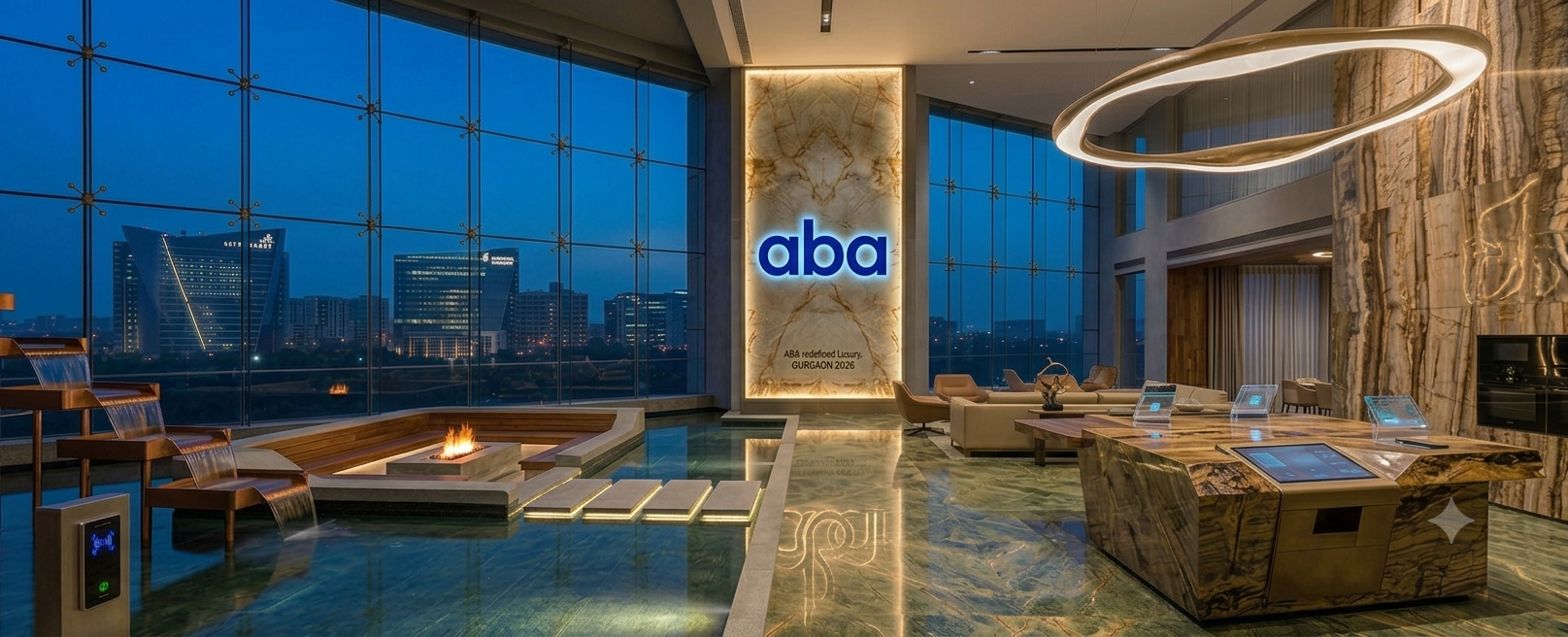
How Gurgaon’s Top Architecture Firms Are Redefining Luxury Living in 2026
I’ve walked through hundreds of homes over the course of my career in architecture. Some cost crores. Some had imported Italian marble on every floor, custom light fixtures flown in from Europe, and landscaping that looked like it belonged in a lifestyle magazine.
But very few of them felt like home.That gap between expensive and genuinely livable is exactly what the best residential architects in Gurgaon are closing right now. And in 2026, the gap is closing faster than ever before.
Gurgaon has quietly become one of India’s most ambitious design cities. The skyline has changed. The clients have changed. And the way the city’s top architects think about luxury has changed completely.
Why Gurgaon Is Now a Serious Destination for Luxury Residential Architecture
What "Luxury" Actually Means in 2026
How Gurgaon's Best Architecture Firms Are Building Differently in 2026
The most consistent thing I’ve observed across Gurgaon’s top residential practices is this: they spend a long time just listening before they draw a single line.
At Arch Blue Atelier, this discovery process is baked into every project from day one. We call it narrative-led design: your life story becomes the brief that drives every spatial decision.
If you’ve visited any of the newer luxury homes in Gurgaon’s DLF sectors or Golf Course Road area in the last two years, you’ve probably noticed something: they breathe differently.
What the best luxury architects in Gurgaon are building now is subtler and more functional. Technology that becomes invisible once it’s working. Climate systems that learn your preferences and adjust before you notice you’re uncomfortable. Lighting that shifts through the day to support your circadian rhythm without requiring you to touch a single switch. Security systems that function seamlessly without demanding your attention.
The key distinction worth understanding: the best smart home architecture is planned from the blueprint stage, not retrofitted afterward. Routing, sensors, and control infrastructure are embedded in the building itself. Done well, you never think about the technology at all. You just notice that the house always feels right.
The shift has been driven partly by client awareness and partly by economics. A home designed with passive cooling strategies, smart orientation, cross-ventilation, shaded facades can reduce its cooling load by 40% or more in Gurgaon’s climate. That translates directly into lower electricity bills across the lifetime of the home.
The most rigorous firms are now designing to IGBC and LEED standards even for private residences that don’t require certification. Rainwater harvesting, greywater recycling, locally sourced materials, high-performance glazing, and insulated building envelopes are all standard features of serious luxury residential work.
There’s also an aesthetic dimension to sustainable design that’s worth noting. Passive design strategies often produce more interesting architecture, deeper overhangs, more thoughtfully positioned openings, varied and textured facades than conventional construction methods.
For a long time, the assumption was that “high-end” meant imported Italian stone, Belgian linen, and German kitchen systems. That assumption is being challenged by architects who are doing something harder and more interesting: collaborating with master craftspeople from across India to bring centuries-old skills into modern residential design.
Rajasthani blue pottery inlaid in bathroom floors. Hand-carved stone jali panels that diffuse light and air through a living room facade. Kerala rosewood joinery in kitchen cabinetry. Agra marble inlay on a statement staircase. Handmade Athangudi tiles from Tamil Nadu in a courtyard.
These elements do something no imported material can: they give a home a story. And a home with a story is, in every meaningful sense, more luxurious than one without.
Post-pandemic, the idea that a home should actively support your health, not just house you, has gone from fringe thinking to mainstream expectation in the luxury segment. The best residential architects in Gurgaon are responding with design choices that go far beyond a home gym.
Meditation rooms with acoustic isolation, natural materials, and controlled natural light. Spa bathrooms with steam rooms, chromotherapy lighting, and deep soaking tubs positioned to look out onto private garden views. Bedrooms designed around sleep science: blackout architecture built into the structure, air purification integrated into the HVAC, electromagnetic field reduction in sleeping areas.
These are not amenities in the traditional sense. They’re spatial decisions about design choices about proportions, materials, light, and sound that require an architect’s involvement from the very beginning of a project.
The most talented luxury architects in Gurgaon are increasingly focused on contextual design understanding a site’s relationship to sunlight, prevailing winds, adjacent structures, and neighborhood scale before deciding what to build.
This kind of thinking produces homes that feel inevitable rather than imposed. Homes that look better as they age, because they were designed to belong rather than to stand out. Homes that remain desirable in ten or twenty years because they were anchored in something real, not in a passing aesthetic trend.
What to Actually Look for When Choosing a Residential Architect in Gurgaon
Visit completed projects, don’t just look at portfolios. Photography can make almost anything look good. The experience of actually being in a home tells you what the photographs can’t: whether the spaces flow naturally, whether the light feels right, whether the proportions are comfortable.
Pay attention to how they listen. A good architect asks more questions than they answer in early meetings. If a firm is eager to show you their standard typologies before understanding your life, that’s a signal.
Ask about their consultant relationships. Luxury residential projects require MEP engineers, structural consultants, interior designers, landscape architects, and smart home integrators all working in coordination. An architect with established, trusted relationships across these disciplines will deliver a better outcome than one managing these relationships for the first time.
Understand the fee structure completely. Reputable firms charge between 8% and 15% of construction cost, depending on project complexity and scope of services. A transparent, detailed scope of services at the outset is a mark of professional practice.
Look for genuine conviction. The best architects will push back on decisions they think are wrong, explain why, and propose alternatives. A firm that simply agrees with everything you say is not giving you what you’re paying for.
Arch Blue Atelier: Our Approach to Luxury Residential Architecture in Gurgaon
At Arch Blue Atelier, we’ve built some of Gurgaon’s most celebrated private homes and in each case, the brief came not from a standard typology but from a deep understanding of our client’s life.
We believe the best residential architecture is slow work. It requires patience, genuine curiosity, and a willingness to resist easy answers. The homes we’re most proud of are not the ones that photograph best they’re the ones our clients tell us they never want to leave.
If you’re planning a private home, villa, or substantial renovation in Gurgaon, we’d welcome a conversation. Not a sales pitch, a real conversation about what you want your home to be.
Frequently Asked Questions
Who are the best residential architects in Gurgaon?
How much does hiring a luxury architect in Gurgaon cost?
What's the difference between an architect and an interior designer for a luxury home?
How long does it take to design and build a luxury home in Gurgaon?
What are the key design trends in luxury homes in Gurgaon in 2026?
About the Author
Ar. Anurag Pandey is the Founder & CMD of ArchBlue Atelier. With expertise in architecture, interior design, and project execution, he is passionate about creating spaces that combine functionality, innovation, and timeless aesthetics. Through these articles, he shares practical insights, industry trends, and expert advice to help readers navigate the world of architecture and design.


Leave a Reply